


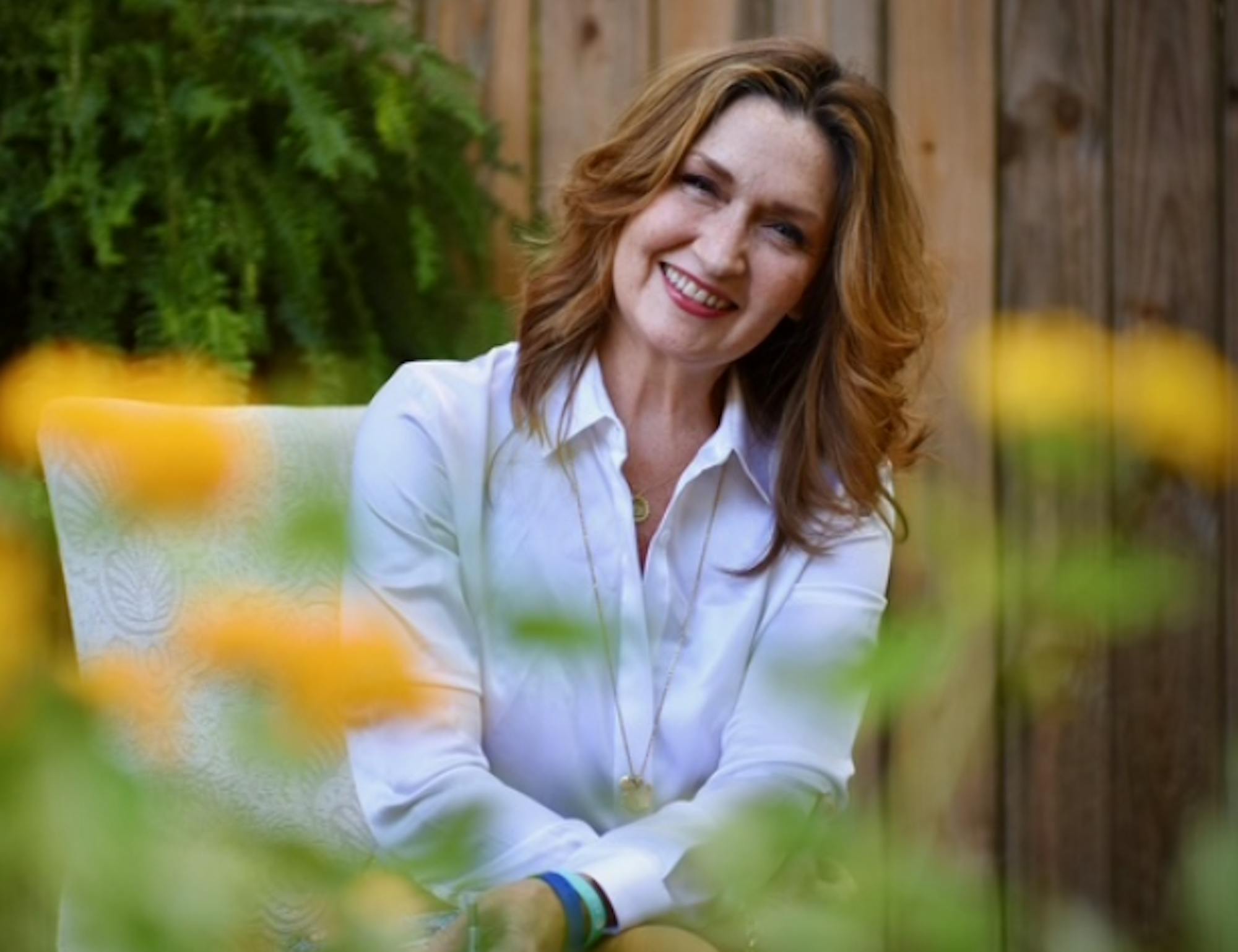
When two graduate students met at the Wheaton College radio station, they didn’t know their lives would be intertwined long after. Now, over three decades later, with the smell of her freshly brewed coffee wafting through the air, Elizabeth Walma Brady recalls her life: the good, the bad, and the outright depressing.
It was the spring of 1992, and Walma, a communication student, was hosting the news segment on the college radio station. There was a stand-in DJ for the station that day—a charismatic Biblical and Theological studies student making jokes while she was prepping the news segment.
The jokester came around to her side of the booth and asked her why she wasn’t laughing at any of his jokes. “They’re terrible. They’re so bad they’re funny,” Elizabeth Brady chuckled.
Although she wasn’t laughing at the jokes at the time, she looks back at the moment and laughs. It was the beginning of an adventure. That was the moment she met Christian Brady.
Soon, summer came. They both went home and lived their own lives but wrote letters throughout their time apart. When they went back to school in the fall, they were in love. It was a whirlwind romance, and they were engaged by Thanksgiving.
After graduating from Wheaton, the August wedding date was approaching. They were planning on moving to Toronto while Christian Brady finished his studies. This was the plan. That is, until four days before the wedding, when he found out there were scholarships available for a certificate in his program at Oxford University. He told her about this opportunity, and they decided to go for it.
They got married as planned in August, packed all of their furniture and wedding gifts into a storage unit, and were off to England.
Elizabeth Brady had intended on working at World Vision, an international organization that supports children and families in unstable and developing countries, in Toronto. She didn’t know what England had in store for her. “It wasn’t easy, that first year," she said. "I had lots of interviews.”
They didn’t know if they were going to remain here or if they were going to return to the U.S. “Are we staying and if we go back, where are we going?” she wondered.
But by the end of the first year, her husband had completed the certificate program and was starting a doctoral program at Oxford. He was immersed in his studies, and that following summer she found a job that excited her with World Vision UK. While there, she wrote for the press office throughout the time of the Rwanda crisis. She helped with media coverage and media training. She had finally found her niche in a foreign country.
“I really enjoyed the training more," she recalled. "And so I started doing both.”
After Brady’s graduation, they moved to New Orleans where he would become the honors program director at Tulane University. This is where they would have their two children, Izzy and Mack, and she pursued teaching. “I taught a weekly Persuasive Public Speaking course after Hurricane Katrina that solidified my enjoyment and aptitude for teaching," she said.
After another half decade in New Orleans, they moved again, this time to State College, PA. Both Christian and Elizabeth Brady became university employees at Pennsylvania State University and were enmeshed in the culture. They regularly attended sports events, and their children were well-known by the student athletes. Their son, Mack, had started to dream of playing for the Penn State soccer team as a goalie.

The family wasn’t prepared for what would happen when he fell ill two nights before New Year's Eve. He was eight and only had a fever, but the young boy had been playing in the snow and sledding, so it wasn’t unlikely he caught the flu. But they called the doctor to be safe. The doctor seemed unconcerned about the symptoms but said to bring him by the next day, so they did just that.
But within an hour of being at the local hospital, they had rushed him to the ER per the doctor’s recommendation. The doctors did blood work and after a few hours, they admitted defeat. Mack was airlifted to a bigger hospital.
The couple sped to the hospital, but they wouldn’t be taken to Mack’s room. Instead, they were taken by the chaplain to the quiet room. At that moment, they knew that Mack was gone. They had lost their only son. He was only eight years old. It was New Year’s Eve, the holidays were nearly over, but for the Brady’s, there was nothing to celebrate.
Through the shock and intense grief, Elizabeth Brady thought of their daughter, Izzy, who was 15 at the time. Izzy had stayed at a friend’s that night and her mother had no intentions on telling her about Mack over the phone. They spent the nearly two-hour drive back in grief and pain, wondering how they would tell Izzy that her only sibling had died.
Through the shock and anguish, they managed to get all the funeral arrangements set, but the order was wrong. A parent isn’t supposed to bury their child. At the funeral, one of Brady's friends had said to her, “My brother died when I was the same age as Izzy, and essentially my parents died too.”
Brady vowed to continue to live for herself and her family. “Some people have figured out how to do this, and I’m going to find them, and I’m going to do that too,” she chuckled.
The writer and continuous student inside of Brady is what kept her afloat. “I just dove into it," she recalled. "In the first few years, I just read anything that I could get my hands on, whether it was a book or a blog. And I followed all sorts of people.”
With this immersion into grief and the media surrounding it, she found comfort in Irish poet and philosopher John O’Donohue, who wrote, “At this threshold a great complexity of emotion comes alive: confusion, fear, excitement, sadness, hope.”
She had been writing in a journal every morning for years prior to her son’s death, but now it was an outlet for the overwhelming emotions and the intimate parts of life that no longer felt as special.
A collection of these journal entries was published in book form, titled “Oil for Your Lantern.” Brady intends to educate and support bereaved families through their heartache. She continues to speak on podcasts and at conferences about the ways to carry your loved ones with you, as you move through life.


