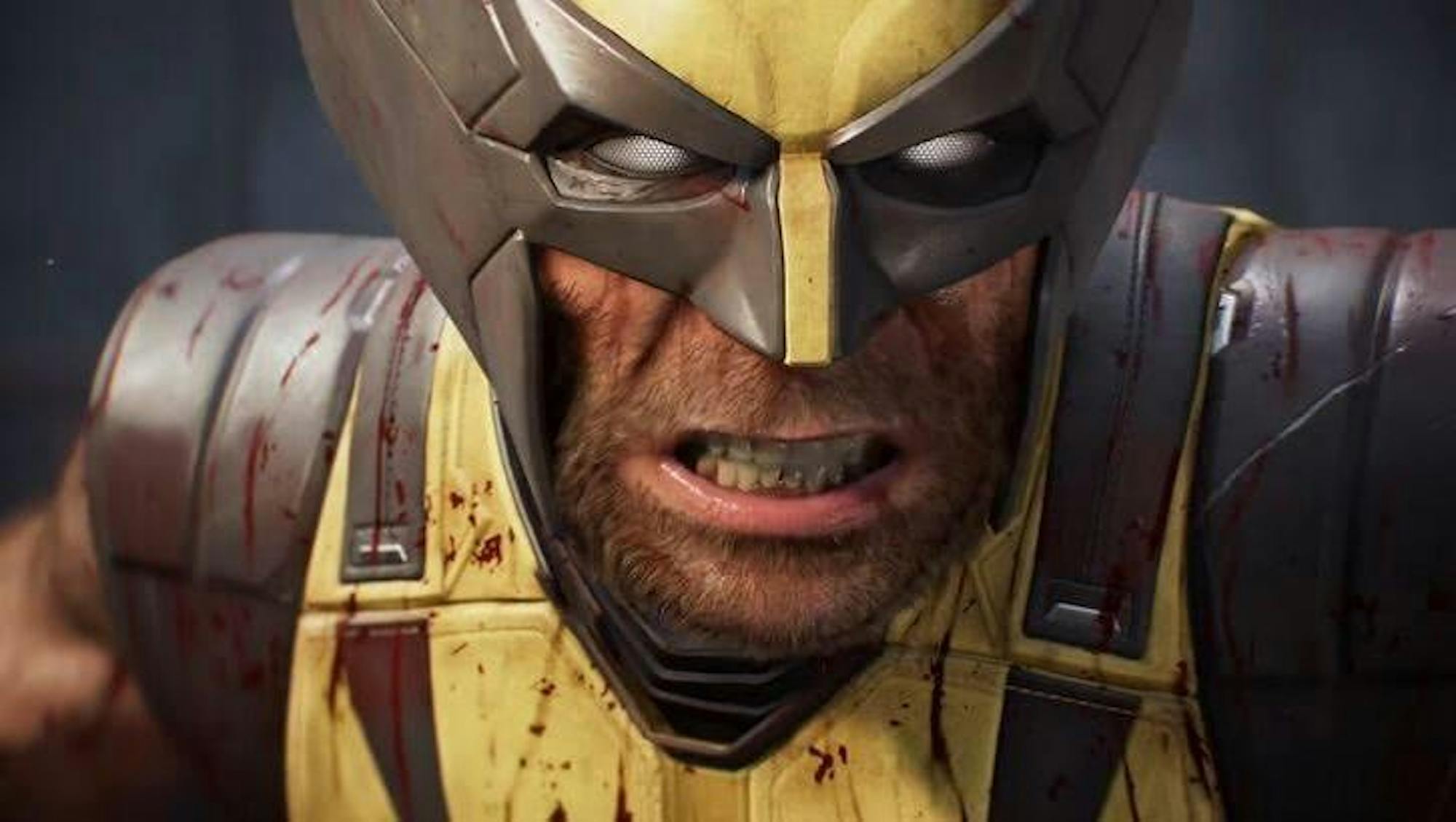
Released just a few weeks ago, Insomniac Games’ “Marvel’s Wolverine” takes a noticeably different approach from the studio’s “Marvel’s Spider-Man” games, and I think that difference is one of the game’s biggest strengths. When discussing Wolverine, it seems like the comparison to the Spider-Man games is almost unavoidable, especially because both games are developed by Insomniac. That is why I will be comparing Wolverine primarily to Spider-Man 2, rather than trying to compare it to every superhero game that has been released. While the Spider-Man games are often lighter and more focused on humor, relationships, and the responsibilities that come with being a hero, Wolverine tells a much more mature and personal story.
The story is easily one of the strongest parts of the game. Logan’s character development feels meaningful throughout the story as he is forced to confront his past, his identity, and the violence that has followed him for much of his life. One of my favorite parts of the story is the relationship between Logan and Jean Grey. Their dynamic develops naturally throughout the game, and it becomes more emotionally complicated as the story progresses.
The game ($69.99 at the Playstation Store) ) also does a good job showing that Logan can develop deep connections with the people around him. A good example is the scene where Logan and Mystique play Never Have I Ever. It is a surprisingly funny but more intimate moment that gives the player a chance to see Logan outside of combat and shows a more relaxed side of his personality. Moments like this make Logan feel like more than just a violent superhero and help make his relationships throughout the story feel more genuine. Because of the time spent developing these relationships, the major plot twist toward the end feels much more impactful.
The gameplay also does a great job of making Wolverine feel different from Spider-Man. Insomniac clearly wanted combat to feel rugged, violent, and brutal, which fits Logan perfectly. His attacks have a weight to them, and fighting enemies feels much more physical than swinging around New York as Spider-Man.
The brutality also helps Wolverine stand out from other superhero video games. Instead of simply making the player feel powerful, the combat makes Logan feel dangerous. His claws, healing abilities, and physical strength all contribute to making the gameplay feel like a true representation of the character.
However, the combat could become stale at times. While the combat is very “Wolverine-like,” there is not always enough variation to keep it feeling fresh. This is one area where I think Spider-Man 2 has an advantage. Having Peter, Miles, and MJ as playable characters gives the game more variety because each character approaches gameplay differently.
Wolverine primarily focuses on Logan, with characters such as Jean Grey, Sabretooth, and Mystique occasionally joining him. These companions can participate in team-up finishers, which are some of the coolest moments in combat, but I felt there could have been more variations and that these finishers could have appeared more frequently.
Despite this criticism, Marvel’s Wolverine is a very well-put-together game. The world looks incredible, from the environments and settings to the character models and animations. More importantly, Insomniac succeeds at making Wolverine feel like Wolverine rather than simply putting him into a Spider-Man-style game. The story, character development, mature tone, and brutal combat give the game its own identity. Although the gameplay could use more variety, the overall experience is a strong and memorable take on one of Marvel’s most iconic characters.